Readings
60 articles on what the Orthodox Church believes and why — written for anyone curious, and especially for Christians from other traditions who want a clear account rather than an argument.
These pages set out the Orthodox position on its own terms. They are not written against anyone. Where Orthodox Christians differ from other Christians, the difference is stated plainly and the reasoning given, so that a reader can weigh it. Many of them draw on the writings of Fr. Seraphim Rose (1934–1982), who came to Orthodoxy from a Protestant background and who insisted that harshness towards other Christians is, in his own published words, “spiritually wrong” even when it is technically correct.
Monastic life and the elders
Monasteries, obedience, tonsure and spiritual fathers: the world behind the book Everyday Saints.
 Everyday Saints: a reader's guideWhat Everyday Saints is, how to read stories of holiness wisely, and a themed map to twenty-five articles on the Orthodox topics it touches.9 min read
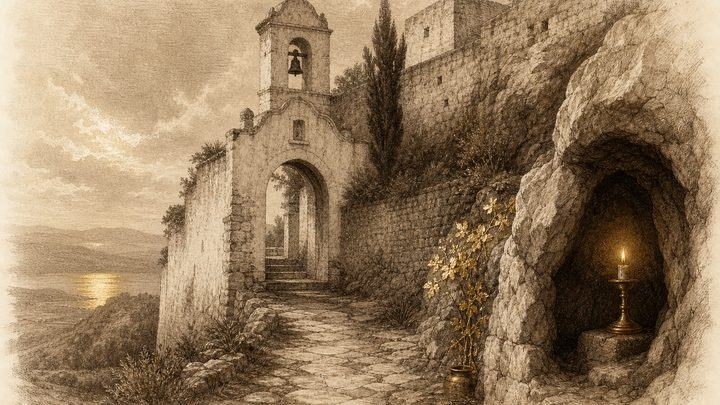 Pskov-Caves Monastery historyHow a cave church of 1473 became a fortress monastery, survived sieges and the twentieth century, and why pilgrims still go to Pechory.8 min read
 Obedience in an Orthodox monasteryWhat monastic obedience is, why novices begin in the kitchen, where its limits lie, and what a layperson can take from it.7 min read
 Why people become monks and nunsWhat monks and nuns are really doing, how the desert fathers began it, what the three vows are, and what the novice years test.7 min read
 The stages of monastic tonsureFrom novice to great schema: what each Orthodox monastic stage means, what is given at each, and how monastic degrees differ from priestly ranks.7 min read
 Spiritual fathers and eldersWhat an Orthodox elder is and is not, how spiritual fathers guide, and how to choose a confessor without chasing celebrity.7 min read
 Orthodox Pilgrimage GuideA practical guide to Orthodox pilgrimage: why Christians go, how to prepare, how to behave at a monastery, and where to go from Singapore.8 min read
Worship, prayer and parish life
Candles, holy water, the Liturgy, funerals, adult baptism and what a first Sunday looks like.
 Orthodox Pascha: The Night of the Resurrection, ExplainedPascha is not one service among many. It is the centre of the Church year, and the Orthodox keep it with a night of light, singing and a very old greeting.3 min read
 Great Lent in the Orthodox Church: A Guide for the Seven WeeksGreat Lent is the Church's longest preparation: forty days of fasting, then Holy Week. It begins on a Monday, and it begins with forgiveness.3 min readThe Nativity Fast: What It Is and How Orthodox Christians Keep ItForty days before Christmas, the Church slows down and prepares. The Nativity Fast is shorter and gentler than Great Lent, and it is just as much about the heart.3 min read
 How to pray: a beginner's guideA practical, modest introduction to Orthodox prayer: the daily rule, the Jesus Prayer, prayer in your own words, and what to do when prayer feels dry.7 min read
 Why Orthodox Light CandlesWhat a candle means in an Orthodox church, where to put it, what to pray, and how to behave kindly in a tropical parish.7 min read
 Theophany Holy WaterWhy the Church blesses water at Theophany, how the faithful use it at home, and how to treat it with reverence.7 min read
 The Orthodox FuneralA calm guide to the Orthodox funeral, the memorials that follow, and the practical steps a family can take.8 min read
 The Typikon and Church RulesWhat the Orthodox service book of rubrics is, why it exists, and how strictness and mercy work together in church life.8 min read
 One Altar, One LiturgyWhy Orthodox churches normally serve one Liturgy a day on one altar, and what the antimension, concelebration and the bishop have to do with it.8 min read
 The Priest's Wife: MatushkaWhy Orthodox priests can marry, what a priest's wife is called in different traditions, what she does, and how a parish can support a clergy family.8 min read
 How to Become OrthodoxA step-by-step guide for adults who wish to become Orthodox: first visit, catechumenate, baptism or chrismation, godparents, a new name and the first year.8 min read
 Your first Sunday at an Orthodox churchA calm, practical guide to the Sunday Liturgy, to standing, candles and icons, to communion, and to how an Orthodox parish lives as a family.8 min read
Saints, angels and the Church in history
What makes a saint, fools for Christ, the unseen world, and the Church under persecution.
 Guardian angels in OrthodoxyWhat Scripture, the Fathers and the prayers of the Church say about guardian angels, how to ask for their help, and what angels are not.7 min read
 Saint Tikhon of MoscowThe life of Patriarch Tikhon: missionary bishop in America, first patriarch of Moscow in 1917, confessor under Soviet rule, and a saint of the whole Church.8 min read
 Angels, demons and the unseen worldWhat the Church teaches about angels, demons and spiritual warfare, and why its answer is prayer, the sacraments and humility rather than sensation.8 min read
 What makes a saint in OrthodoxyHow the Orthodox Church understands holiness and recognises saints, and why saints are repentant sinners rather than flawless people.8 min read
 The Church under Soviet ruleA factual outline of the Russian Orthodox Church from 1917 to the revival after 1988: persecution, the 1943 accommodation, Khrushchev's closures and renewal.9 min read
 New Martyrs of RussiaWho the twentieth-century martyrs of Russia were, where they suffered, when the Church glorified them, and why Orthodox Christians venerate them.8 min read
 Fools for Christ and simple holinessWhy the Orthodox Church honours holy fools, how foolishness for Christ differs from mental illness, and why real holiness so often looks ordinary.8 min read
Repentance, humility and Providence
How a fallen person is restored, what humility is, and whether there is such a thing as coincidence.
 Humility in Orthodox ChristianityWhat Orthodox humility really is, what the Fathers say about it, how to tell it from false humility, and seven simple ways to practise it.8 min read
 Repentance After Grave SinWhat Orthodox teaching says about repentance after serious sin: scriptural examples, penance as medicine, clergy, despair, and practical first steps.8 min read
 Providence and coincidenceHow Orthodox Christians understand God's providence, free will and so-called coincidences, and why the Church urges trust without over-reading events.8 min read
Where this begins
Who Fr. Seraphim Rose was, the spirit in which these pages are written, and why the question of truth is worth asking at all.
 Who Was Fr. Seraphim Rose?A Californian who lost the religion he was raised in, studied Chinese philosophy, walked into a Russian church out of curiosity, and died a hieromonk in the forest.9 min read
 Fr. Seraphim Rose Against Religious HarshnessHe held the Orthodox Church's exclusive claim without softening it, and spent his last years arguing that Christians who state it cruelly are spiritually in the wrong.10 min read
 Nihilism and the Question of TruthHis hardest book is not about villains. It is about how a civilisation stops believing that anything is true, written by a man who had stopped believing it himself.10 min read
Scripture, Tradition and authority
Where the Christian faith is kept, who recognised the Bible, and how the Church reads it.
 Scripture Alone, or Scripture in the Church?Two accounts of where the Christian faith is kept and handed on, set beside each other and explained on their own terms rather than in caricature.9 min read
 Who Decided Which Books Are in the Bible?The canon was not settled by a single vote; it emerged from what the churches actually read aloud, and the real history is more interesting than the usual summaries.9 min read
 Reading Scripture with the Church FathersWhy Orthodoxy reads the Bible inside a community stretched across twenty centuries, and what the Fathers were actually doing when they read.9 min read
 What Are the Seven Ecumenical Councils?From Nicaea in 325 to Nicaea in 787, seven councils settled questions the Church could not leave open — and one test decides which councils count.9 min read
 Apostolic Succession, and Why It MattersThe unbroken laying-on of hands is not a chain of magic and not a guarantee of holiness. Here is what Orthodoxy believes it does carry.9 min read
 Does Christian Doctrine Develop, or Is It Preserved?Orthodoxy says the faith is guarded rather than improved. But the Church did coin new words, and the tradition's own classic text allows for growth.9 min read
The sacramental life
Baptism, the Eucharist, confession, icons and fasting — what Orthodox Christians believe is happening.
 What Happens in an Orthodox BaptismThree immersions, a renunciation, a turning to the East, and a claim that something real is done to the person standing in the water.9 min readThe Eucharist: Real Presence Without ExplanationThe Orthodox Church says the bread and wine truly become the Body and Blood of Christ, and then declines to say by what mechanism.9 min read
 Why Confess Your Sins to a Priest?Orthodox confession is closer to a visit to a physician than to a court appearance, and the priest standing beside you is a witness rather than a judge.9 min read
 Chrismation: The Seal of the Gift of the Holy SpiritThe anointing that follows baptism without a pause, the fragrant oil a patriarch consecrates, and the door through which most converts enter the Orthodox Church.9 min read
 Why Orthodox Churches Are Full of IconsThe commandment against graven images is a serious objection, and it deserves a serious answer rather than a shrug.9 min readWhy Orthodox Christians Still FastFour seasons, two days a week, and one thing that must be said plainly at the start: nobody is buying anything from God.9 min read
The Mother of God and the saints
Honour and worship, asking for prayer, relics, and one Church on both sides of death.
 Why Orthodox Christians Honour the Mother of GodThe title Theotokos was defined to protect the truth about Christ; the honour Orthodox Christians give his mother follows from that, and stops short of worship.9 min read
 Asking the Saints to Pray for UsThe one-mediator objection is the strongest case against this practice, and it deserves a real answer rather than a shrug.9 min read
 Why Orthodox Christians Venerate RelicsEvery Orthodox altar has a martyr's bone in it. Here is the reasoning behind a practice most Protestant visitors find genuinely strange.9 min read
 The Communion of Saints, ExplainedIf the Church is one body and death does not dismember it, then a great deal follows for how Christians worship and how they mourn.9 min read
The soul after death
What Orthodoxy says, and declines to say, about what waits beyond death.
 Parental Saturdays and Dimitriev Saturday: Why the Church Remembers the Dead TogetherSeveral times a year the Church sets aside a Saturday to remember all the departed together, not only those whose names we know. Dimitriev Saturday, on 7 November in 2026, is the best known.3 min read
 What Happens to the Soul After Death in OrthodoxyThe Orthodox Church says a good deal about the soul's first days, and says it with a reserve that is part of the teaching rather than an apology for it.9 min read
 The Aerial Toll-Houses, ExplainedAn old and widely attested Orthodox teaching, frequently misread in both directions, and the subject of a real disagreement among Orthodox writers.10 min read
 Near-Death Experiences: An Orthodox ReadingOrthodoxy does not dismiss these experiences, and does not treat them as maps of the world to come; it asks a different question about them.9 min readWhy Orthodox Christians Pray for the DeadA guide to the panikhida, the forty days, Radonitsa and the parental Saturdays, where the practice comes from, and why many Christians do not share it.8 min read
 The Two Judgments in Orthodox TeachingWhat Orthodoxy holds is settled when a person dies, what waits for the general resurrection, and why the interval is neither a second chance nor a purgatory.9 min read
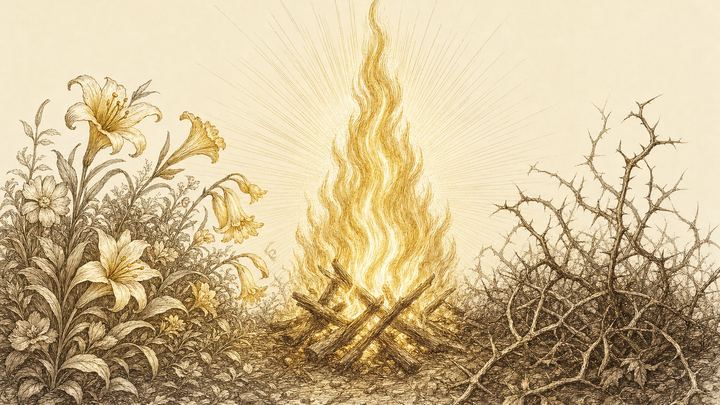 Heaven and Hell as Relationship, Not PlaceThe Fathers speak of one divine love, received as light by those who have come to want it, and endured as fire by those who have not.9 min read
Faith in the modern world
Spiritual experience and its testing, the meaning of ecumenism, and the seeker's road east.
 Fr. Seraphim Rose on the New Religious ConsciousnessA hieromonk in the Californian forest gave a name to something he watched happening around him, and the name has outlasted the decade.9 min read
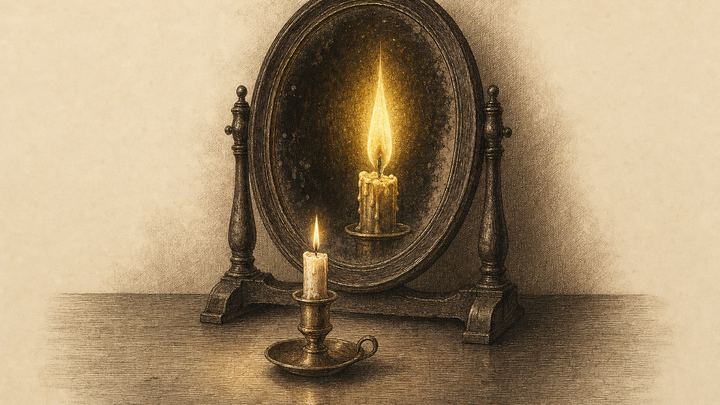 Spiritual Deception: What the Fathers Call PrelestOrthodox Christians are taught to distrust their own spiritual experiences before they distrust anyone else's, and there is an old word for the reason.9 min read
 What the Word Ecumenism Has Actually MeantOne word has carried at least three different projects, and most arguments about it are arguments between people using different senses of it.10 min read
 Eastern Religions and the Western SeekerBefore he was a monk in the Californian forest, Eugene Rose read the Chinese sages in their own language — and that is why his later verdict carries weight.9 min read
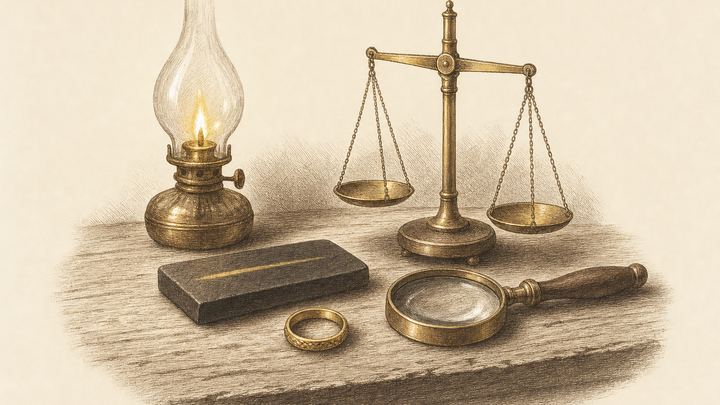 Discernment of Spirits: Testing Religious ExperienceThe Fathers assumed that sincere people are regularly mistaken about their own spiritual experiences, and they left behind a way of checking.9 min read
This parish rents its premises and receives no government funding. About S$18,000 is needed each month for the rent and running costs. If these pages have been useful to you, please consider helping to keep them and the parish going.
Support the parish